CALL Us
Blog
What’s the True Cost of Adding Safety Upgrades to Your Wagon
Introduction
When farms in Gap, Pennsylvania open their wagons to the public for hayrides, field trips, and seasonal events, safety becomes more than a checklist item — it becomes part of the business model.
Many wagon owners focus first on purchase price. But what about the cost of upgrading safety features? Is it a minor add-on, or a significant investment?
The true cost of adding safety upgrades to your wagon depends on structural changes, materials, compliance needs, and how the wagon is used across Lancaster County’s terrain and seasonal conditions. Below, we break down what those upgrades typically involve and what they actually cost.
What Counts as a “Safety Upgrade”?
Not all wagons are built to the same standard. Some are designed for light farm use, while others are intended for public passenger rides.
Safety upgrades generally fall into four categories:
1. Structural Containment
These upgrades focus on preventing falls and stabilizing passengers.
Common additions include:
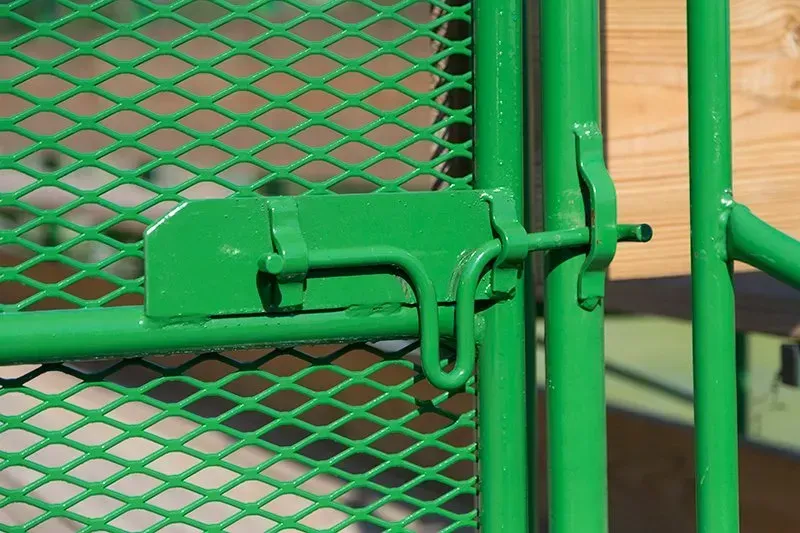
Reinforced side railings
Increased rail height
Enclosed panel systems
Mid-rail supports for children’s rides
These upgrades require additional steel, fabrication time, and welding reinforcement.
2. Entry and Exit Improvements
Steps and access points are frequent accident zones.
Upgrades may include:
Commercial-grade step assemblies
Anti-slip stair treads
Reinforced mounting brackets
Wider step platforms
Proper entry systems reduce liability risk and improve passenger confidence.
3. Flooring Enhancements
Standard wood decking may not provide adequate traction in wet fall conditions common in Gap, Pennsylvania.
Safety-focused flooring upgrades often involve:
Textured non-slip coatings
Rubberized grip surfaces
Grooved decking boards
These modifications increase both material and labor costs.
4. Lighting and Visibility
For evening rides or roadside movement in Lancaster County, lighting upgrades may include:
DOT-compliant brake and signal lights
Reflective striping
Marker lights
Wiring harness upgrades
Electrical additions increase fabrication time and material cost.
How Much Do Safety Upgrades Typically Cost?
The total cost depends on whether upgrades are added during the initial build or retrofitted later.
If Added During Initial Build
When integrated into a new wagon design, safety upgrades typically increase total cost by $800 to $4,000, depending on complexity.
Structural containment systems tend to account for the largest share of that increase.
If Retrofitted to an Existing Wagon
Retrofitting can cost more because it requires:
Disassembly of existing components
Reinforcement of older framing
Additional welding
Repainting or refinishing
Retrofitting safety upgrades may range from $1,500 to $6,000+, depending on the wagon’s original condition.
In Gap, Pennsylvania, many farms choose to include safety enhancements during the initial build to avoid higher modification costs later.
Why Safety Upgrades Cost More Than Expected
Some wagon owners underestimate safety costs because they focus only on visible materials. However, the true cost often includes hidden factors.
Engineering Adjustments
Adding higher railings or enclosed sides changes weight distribution. This may require:
Frame reinforcement
Axle load adjustments
Additional cross members
These structural changes increase labor and materials.
Liability and Insurance Considerations
For agritourism operations in Lancaster County, insurance carriers may review safety design elements. Investing in upgraded containment and entry systems can support smoother coverage approvals.
Long-Term Wear and Stress
Heavier safety structures place additional stress on frame and axle components. Proper reinforcement prevents premature wear.
Evaluating Cost vs Risk
Before deciding on upgrades, walk through this decision process:
Will the wagon carry children or large public groups?
Will rides occur on uneven terrain around Gap, Pennsylvania?
Will the wagon operate in wet or evening conditions?
Is liability exposure a concern for your business model?
If the answer to most of these is yes, safety upgrades are typically worth the investment.
Comparing Basic vs Upgraded Safety Configurations
Understanding the differences can clarify the value.
For farms in Gap, Pennsylvania hosting public events, upgraded configurations often provide peace of mind.
Long-Term Financial Perspective
While safety upgrades increase upfront cost, they can influence long-term financial outcomes.
Benefits may include:
Reduced accident risk
Lower likelihood of costly repairs
Stronger guest confidence
Potential insurance stability
Over a 10–15 year lifespan, spreading upgrade cost across years of operation often makes the investment manageable.
Frequently Asked Questions
Are safety upgrades required by law?
Requirements vary by use case and local regulations. Farms in Gap, Pennsylvania should verify local compliance standards, especially for public events.
Is it cheaper to add safety upgrades later?
Typically no. Adding upgrades during initial construction is usually more cost-effective than retrofitting.
Do safety upgrades increase wagon weight significantly?
Yes, especially structural containment systems. Proper frame reinforcement ensures safe load balance.
Will safety upgrades affect resale value?
High-quality safety features often improve resale value, particularly for commercial-use wagons.
Are lighting systems necessary for daytime use?
Not always, but for evening rides or roadside movement in Lancaster County, lighting is strongly recommended.
Conclusion
The true cost of adding safety upgrades to your wagon depends on structural reinforcement, materials, fabrication complexity, and whether upgrades are installed during the initial build or added later.
For farms and agritourism venues in Gap, Pennsylvania, safety investments often serve as long-term protection for both guests and business stability. Planning upgrades thoughtfully — rather than reactively — typically delivers better financial outcomes.
For those seeking purpose-built wagons designed with safety and durability in mind for Lancaster County conditions, Gap Hill Farm Wagons continues to provide solutions that balance strength, reliability, and practical real-world use.

Contact Information
Business Hours
Mon - Fri: 8:00 am -5:00 pm
Sat - Sun: Closed
© 2025 All Rights Reserved | Gap Hill Farm Wagons