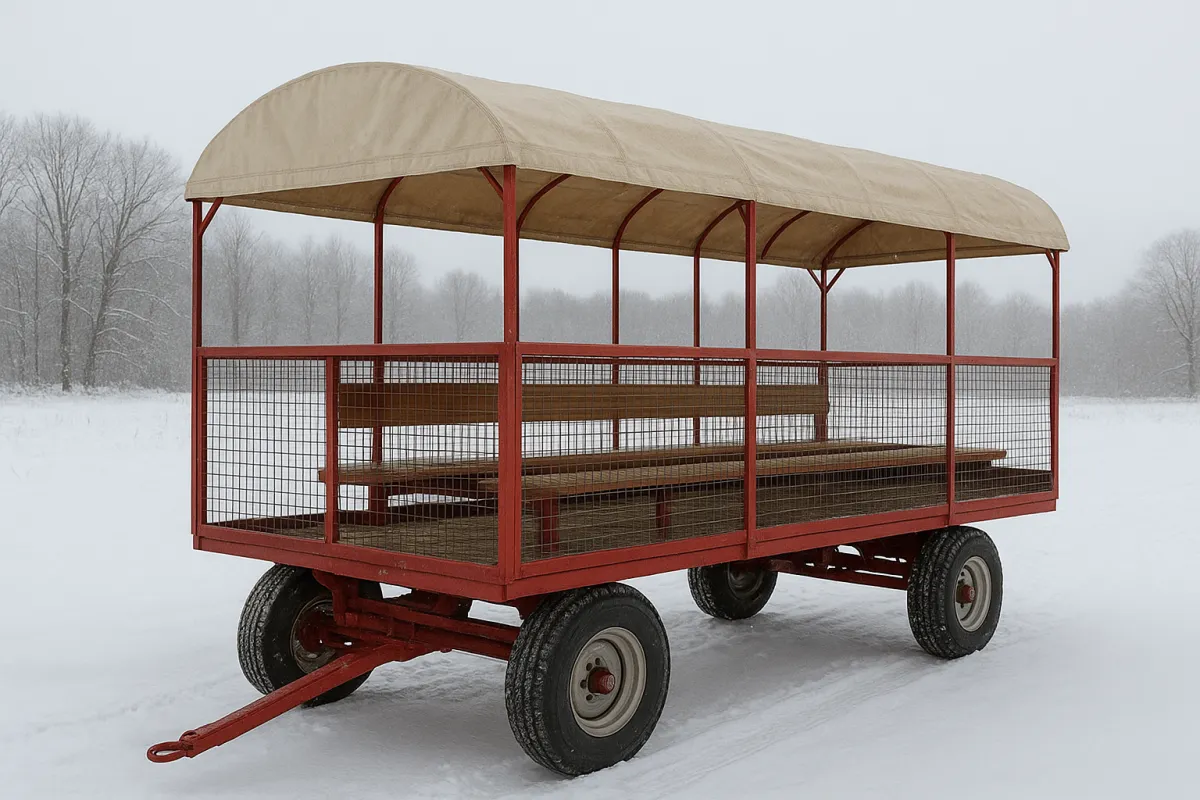
Best Practices for Storing Your Wagon Through Harsh Pennsylvania Winters
Pennsylvania winters bring freezing temperatures, heavy moisture, and long periods of snow and ice. These conditions can degrade a wagon faster than regular seasonal use, especially when exposed to repeated thawing and refreezing. Preparing your wagon before winter arrives protects its structure, preserves performance, and ensures it’s ready for reliable work when spring returns.
Why Winter Storage Matters for Farm Wagons
Cold weather intensifies the wear on both wood and metal components. Moisture seeps into boards, rust develops on steel parts, and tires lose pressure more quickly. Even wagons sitting idle can suffer damage simply from exposure. A smart storage plan reduces long-term repairs and keeps your wagon in working condition year after year.
Key Areas Vulnerable to Winter Damage
Certain wagon components are more sensitive to harsh winter conditions. Understanding how each part reacts to cold, moisture, and long-term storage helps ensure your wagon receives the protection it needs.
Wooden Deck and Rails
Wood naturally absorbs moisture, which can cause swelling, cracking, or early rot as temperatures drop and rise again.
Metal Frame and Hardware
Steel is durable, but snow, ice, and winter humidity accelerate corrosion without proper protection.
Wheels, Tires, and Hubs
Cold weather reduces tire pressure and can cause small cracks in older rubber. Bearings also stiffen if grease thickens or dries out.
Hitch Assembly
Moisture and freezing temperatures can cause hitch parts to stiffen or jam, making early spring operation difficult.
Best Practices for Winter Storage
A clear process helps prepare the wagon thoroughly and prevents winter damage. The following steps cover the essentials of proper cold-weather storage.
Clean the wagon thoroughly to remove mud, crop debris, and moisture-holding material.
Inspect boards, rails, and joints for early signs of weakening or decay.
Apply sealants or protective coatings to wooden areas before temperatures drop.
Treat metal parts with rust-preventive products to block corrosion.
Grease hubs, axles, hinges, and pivot points to prevent freezing.
Inflate tires to the proper pressure to reduce flat-spotting.
Raise the wagon slightly using blocks or level supports to avoid ground moisture.
Use breathable covers that shield from snow while preventing trapped condensation.
Store the wagon under a roofed structure whenever possible.
Check the wagon periodically throughout winter and after heavy storms.
Additional Considerations for Long-Term Protection
Some strategies add extra longevity during Pennsylvania’s harsh winter months. The points below help improve overall preservation.
Placing the wagon in a well-ventilated shed reduces snow exposure and internal condensation.
Using wheel chocks keeps the wagon stable on icy or uneven winter ground.
Elevating the wagon improves airflow and reduces moisture buildup underneath.
Avoiding plastic tarps prevents trapped moisture that accelerates rot or rust.
Removing decorative elements or attachments minimizes stress on hardware during long storage periods.
FAQs
How early should winter storage preparation begin?
Late fall is ideal, giving enough time to clean, inspect, and treat the wagon before freezing sets in.
Should tires be rotated during winter?
Rotating the wheels slightly every few weeks helps prevent flat spots on pneumatic tires.
Is indoor storage necessary during Pennsylvania winters?
It's not required, but indoor or sheltered storage provides significantly better protection from snow and ice.
Can I leave the wagon parked directly on frozen soil?
It’s better to avoid it. Ground moisture and freeze-thaw cycles can damage the wheels and undercarriage.
Does sealing wooden boards really make a difference?
Yes. Wood treatments greatly reduce moisture absorption, helping prevent swelling, cracking, and long-term rot.
Conclusion
Proper winter storage plays a major role in preserving your wagon’s condition through Pennsylvania’s toughest months. With thoughtful cleaning, protective coatings, and sheltered storage, you prevent avoidable wear and ensure the wagon stays ready for spring work. These steps save time, reduce repair costs, and keep your equipment performing at its best year after year.
