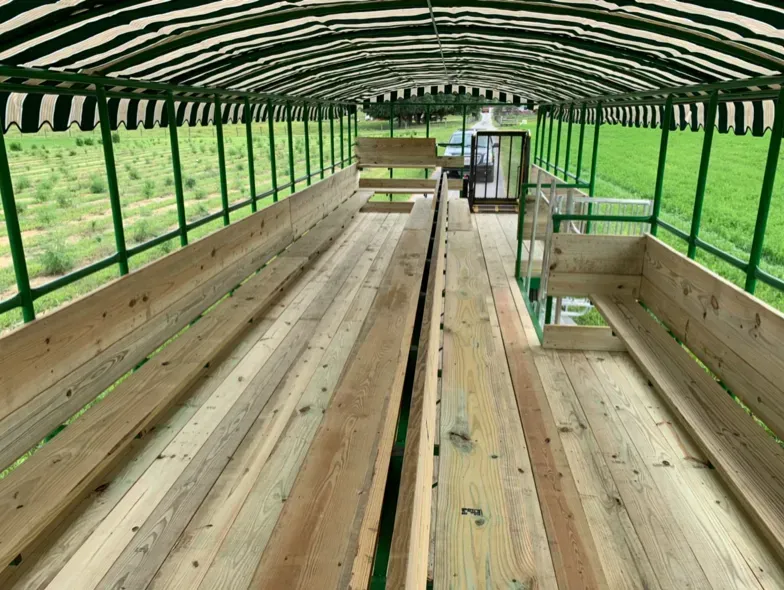
How Much Does a Custom Hayride Wagon Normally Cost in Gap, Pennsylvania?
Introduction
If you run a farm, orchard, pumpkin patch, or seasonal attraction in Lancaster County, you’ve likely wondered what a custom hayride wagon truly costs. In Gap, Pennsylvania, hayrides are not just fall entertainment — they are revenue-generating attractions tied to school tours, harvest festivals, church events, and agritourism experiences.
A well-built wagon can serve your operation for over a decade. A poorly built one can lead to safety concerns, frequent repairs, and lost business. Understanding the real cost helps you make a decision that fits your budget and your long-term goals.
This guide explains what custom hayride wagons typically cost in Gap, Pennsylvania, what factors influence pricing, and how to determine the right investment for your operation.
What Is the Typical Cost of a Custom Hayride Wagon?
Most custom hayride wagons fall between $6,500 and $18,000 or more, depending on size, build strength, seating capacity, and safety features.
That range exists because every farm operates differently. A smaller family farm offering limited seasonal rides has different requirements than a high-volume agritourism venue running continuous trips throughout peak season.
Several components determine where your build lands within that range.
Frame and Chassis Construction
The structural base affects both safety and longevity. Pricing increases based on:
Steel thickness and frame reinforcement
Axle weight rating
Heavy-duty hubs and bearings
Hitch design and towing configuration
For farms in Gap, Pennsylvania with uneven fields or gravel lanes, stronger chassis systems are often necessary.
Decking and Flooring Materials
Material quality directly impacts lifespan.
Pressure-treated lumber
Hardwood decking
Steel deck upgrades
Weather-resistant sealing
Lancaster County’s wet fall seasons make moisture resistance especially important.
Seating Configuration and Capacity
Passenger capacity significantly affects cost. Options may include:
Standard bench seating
Back-supported benches
Center aisle layouts
Removable or modular seating
A 20-passenger wagon will cost far less than a 40-passenger commercial build.
Safety Features and Compliance
Safety upgrades are often the largest pricing variable. These may include:
Reinforced side railings
Enclosed panels for children’s rides
Non-slip flooring
Commercial-grade entry steps
DOT lighting for evening use
For farms hosting public rides in Gap, Pennsylvania, investing in safety is often essential rather than optional.
What Factors Influence Pricing in Gap, Pennsylvania?
Beyond materials and size, local conditions and usage patterns play a major role in overall cost.
Terrain Conditions in Lancaster County
Farms around Gap often include rolling ground, gravel driveways, and muddy fall fields. Wagons used in these conditions require stronger suspension systems and reinforced frames.
Frequency of Use
A wagon used only during a short fall festival season will experience less wear than one operating daily for months. Higher frequency usage typically justifies heavier-duty construction.
Storage Conditions
Proper indoor storage during winter extends wagon lifespan. Farms without protected storage may need upgraded finishes and corrosion-resistant coatings.
Long-Term Maintenance Costs
Lower-cost wagons may require:
More frequent board replacement
Welding repairs
Structural reinforcements
Spending more upfront can lower maintenance costs over time.
How to Determine the Right Budget for Your Operation
Choosing the correct investment requires evaluating how the wagon fits into your revenue model.
Step 1: Estimate Revenue Potential
Consider:
Average ticket price
Riders per trip
Trips per day
Length of operating season
For example, a 30-passenger wagon charging $8 per rider and running six trips daily over eight weeks could generate substantial seasonal revenue. In this scenario, investing in a durable $12,000–$15,000 build may be financially practical.
Step 2: Evaluate Liability Exposure
Insurance providers often review:
Rail height
Step design
Structural integrity
Lighting systems
Enhanced safety features may help reduce liability concerns.
Step 3: Consider Lifespan
A properly maintained custom wagon in Gap, Pennsylvania can last 10–15 years or more. When you spread the cost over that period, the annual expense becomes far more manageable.
Comparing Budget and Premium Custom Builds
Understanding differences can prevent overspending or underbuilding.
Not every farm in Gap requires a premium model. However, high-traffic agritourism venues often benefit from stronger builds designed for continuous operation.
Frequently Asked Questions About Custom Hayride Wagon Costs
How long does a custom hayride wagon typically last?
A high-quality wagon built with reinforced steel and proper materials can last 10 to 15 years or longer with regular maintenance and indoor storage.
Are custom wagons more expensive than stock models?
Yes. Custom wagons are built to specific capacity, terrain, and safety requirements, which increases upfront cost but often reduces future modifications.
Do safety upgrades significantly increase total cost?
Safety features do add to the overall price, but for farms in Gap, Pennsylvania hosting public rides, they are often a necessary investment.
Can I increase seating capacity later?
While modifications are possible, expanding capacity after construction is usually more expensive than building for your intended use from the start.
Is heavier steel framing worth the investment?
For farms operating on uneven terrain or running frequent rides, reinforced framing often provides better long-term value.
Conclusion
Custom hayride wagon costs in Gap, Pennsylvania generally range between $6,500 and $18,000+, depending on size, materials, safety features, and intended usage.
The right investment depends on:
Passenger capacity needs
Frequency of operation
Terrain conditions
Revenue goals
Safety priorities
A well-built wagon is not just an expense — it is a long-term asset that supports your farm’s growth and seasonal events. For farms and agritourism businesses in Gap, Pennsylvania seeking dependable, purpose-built wagons designed for real-world use, Gap Hill Farm Wagons remains a trusted local source for quality custom hayride builds.
