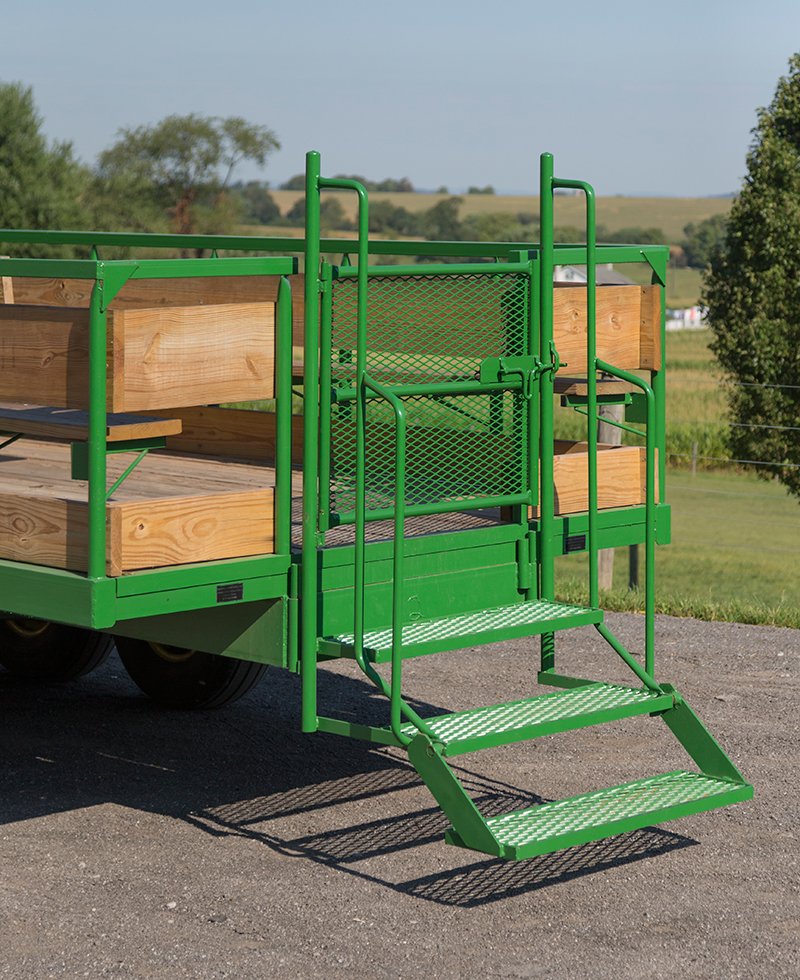
How Much Should You Budget for Wagon Maintenance Costs
Introduction
Buying a farm or hayride wagon is one investment. Maintaining it properly is another.
For farms and agritourism operations in Gap, Pennsylvania, wagon maintenance is not optional. Between wet fall seasons, gravel lanes, rolling terrain, and winter storage conditions in Lancaster County, wear and tear is part of normal operation.
So how much should you realistically budget each year for wagon maintenance? The answer depends on usage frequency, build quality, and storage conditions. Below, we break it down in a practical way so you can plan confidently.
What Is a Reasonable Annual Maintenance Budget?
For most farms in Gap, Pennsylvania, a realistic annual maintenance budget falls between 3% and 10% of the wagon’s original build cost.
For example:
A $10,000 wagon may require $300–$1,000 per year in maintenance.
A $15,000 heavy-duty wagon may require $450–$1,500 annually.
Lower-use wagons fall toward the bottom of that range. High-frequency agritourism wagons trend higher.
This estimate includes inspections, minor part replacement, wood upkeep, and preventative care — not major rebuilds.
Routine Maintenance Categories You Should Expect
Wagon maintenance isn’t one single expense. It typically falls into several categories.
Structural and Frame Inspections
Heavy-duty wagons should be inspected annually for:
Weld integrity
Frame alignment
Rail stability
Hitch wear
Catching small cracks early prevents larger structural repairs later.
Decking and Wood Care
In Lancaster County’s damp fall conditions, wood maintenance is common.
You may need:
Board replacement
Sealing or staining
Fastener tightening
Sanding rough edges
Moisture exposure is one of the most common causes of deck wear in Gap, Pennsylvania.
Axle and Wheel Components
Wheel systems endure constant stress. Budget for:
Bearing greasing
Hub inspections
Tire replacement every few years
Occasional axle servicing
Ignoring axle care can lead to costly repairs.
Safety Feature Upkeep
For public-facing operations, safety components require attention.
Rail reinforcement
Step tightening
Non-slip surface maintenance
Lighting checks (if installed)
Maintaining safety features helps protect both guests and your business.
How Usage Level Impacts Maintenance Costs
Not every wagon experiences the same wear.
Light-Use Farm Wagon
Used only a few weekends each year
Stored indoors
Minimal passenger traffic
These wagons may require only minor annual upkeep.
Moderate-Use Seasonal Wagon
Operates during an 8–10 week fall season
Carries mixed passenger loads
Exposed to occasional moisture
Expect moderate yearly maintenance.
High-Volume Agritourism Wagon
Runs multiple trips per day
Used on uneven terrain
Carries heavy passenger loads
Higher frequency means more inspection, lubrication, and occasional component replacement.
For busy farms in Gap, Pennsylvania, planning ahead for maintenance avoids mid-season breakdowns.
Storage Conditions Matter More Than Most People Realize
In Lancaster County, winters bring freezing temperatures and moisture.
Improper storage can lead to:
Wood warping
Steel corrosion
Tire degradation
Bearing stiffness
Indoor storage significantly reduces annual maintenance costs.
If indoor storage is not available, protective covers and seasonal sealing treatments become more important — and may increase your yearly maintenance budget.
Preventative Maintenance vs Reactive Repairs
There is a major cost difference between preventative care and emergency repair.
To manage costs effectively, follow this simple process:
Inspect the wagon at the end of each season.
Address minor issues before winter storage.
Perform lubrication and safety checks before spring use.
Replace worn components early rather than delaying.
Preventative maintenance typically costs far less than structural repair after failure.
Budgeting by Wagon Type
Different wagon builds carry different maintenance expectations.
Farms in Gap, Pennsylvania that rely on wagons for public rides should prioritize durability and inspection routines.
Long-Term Cost Perspective
A well-built wagon can last 10–15 years or more. If you budget responsibly each year, you avoid large replacement costs.
For example:
$800 per year over 12 years equals $9,600 total maintenance.
Spread across consistent seasonal revenue, this becomes manageable.
Neglecting maintenance, on the other hand, can lead to premature replacement, which is far more expensive.
Frequently Asked Questions
How often should a wagon be inspected?
At minimum, conduct a full inspection once per year, ideally at the end of your operating season in Gap, Pennsylvania.
Do heavy-duty wagons require more maintenance?
Not necessarily more frequent maintenance, but components like axles and structural welds should be inspected carefully due to higher load demands.
Is wood replacement common?
Yes. In wet climates like Lancaster County, occasional board replacement is normal over time.
Can proper storage reduce maintenance costs?
Absolutely. Indoor storage significantly lowers exposure-related wear and corrosion.
What happens if maintenance is skipped?
Skipping maintenance can result in safety risks, structural fatigue, and higher long-term repair expenses.
Conclusion
Wagon maintenance costs in Gap, Pennsylvania typically range from 3% to 10% of the original build price each year, depending on usage, storage, and terrain conditions.
By budgeting realistically and prioritizing preventative care, farms can extend wagon lifespan, reduce repair surprises, and protect long-term revenue.
For those operating in Lancaster County who value durability and long-term performance, Gap Hill Farm Wagons designs wagons built to handle real-world use — making ongoing maintenance predictable and manageable over time.
