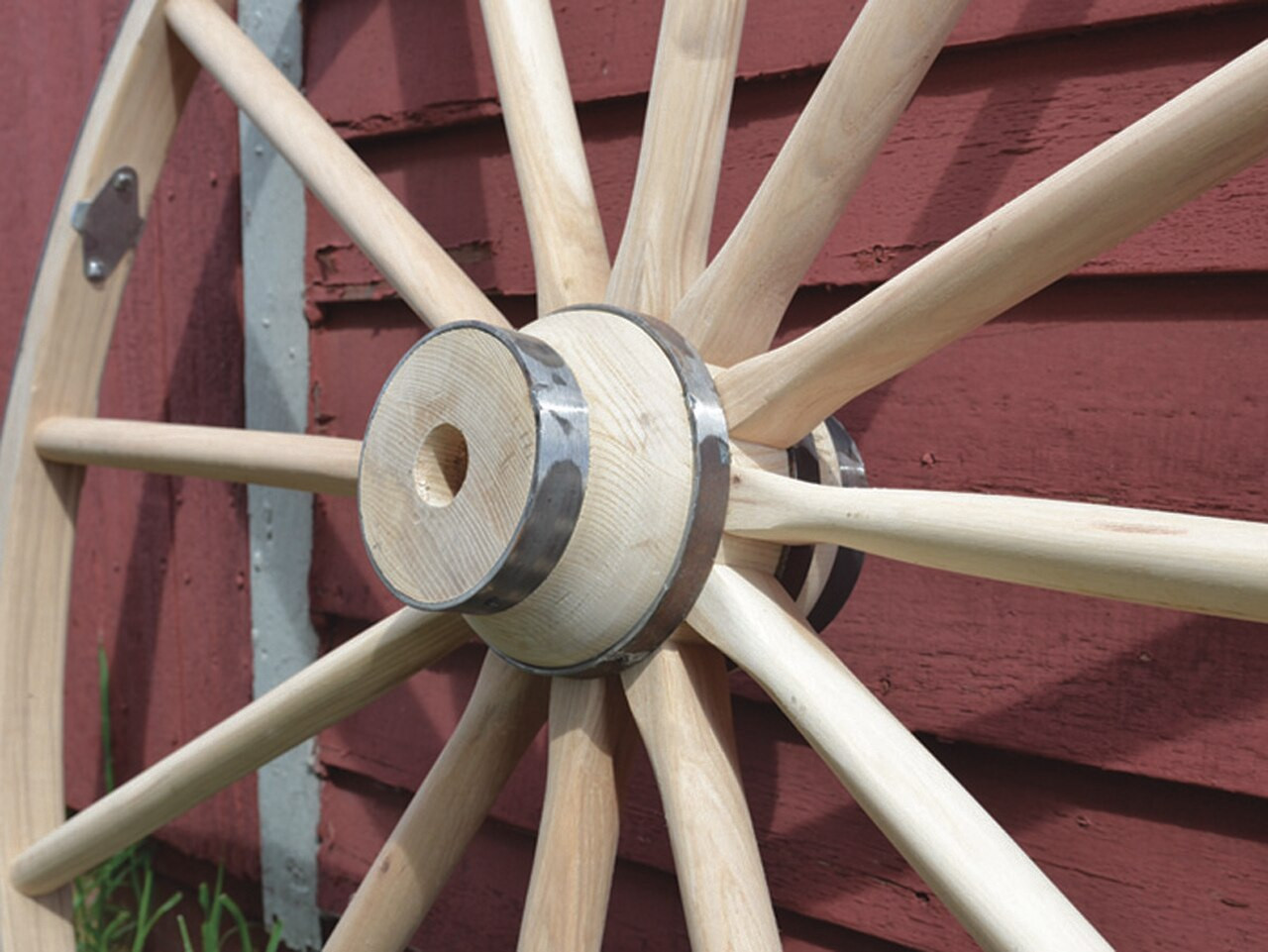
How to Choose the Right Wheel Size for Your Hayride Wagon in Gap, PA
Choosing the right wheel size for a hayride wagon plays a major role in how smoothly, safely, and comfortably the wagon performs. In a place like Gap, PA, where fields can range from soft to uneven depending on the season, the correct wheel size ensures a more stable ride and better overall handling. Understanding this helps farm owners and hayride operators make a practical, informed choice.
What Wheel Size Means for a Hayride Wagon
Wheel size is determined by two measurements: the wheel diameter and the wheel width. The diameter affects how easily the wagon moves across uneven terrain, while the width influences how much weight the wheel distributes on softer surfaces. Together, they determine ride smoothness, balance, and stability.
Common Wheel Size Options
Before choosing the right wheel size, it helps to know the typical categories used on hayride wagons. Below are the general wheel types and where each one works best.
Smaller Wheels
Smaller wheels are best for flat ground and low-entry wagons. They keep the deck closer to the ground, making it easier for riders to step on and off during community or family hayrides.
Mid-Sized Wheels
Mid-sized wheels work well on fields with mild slopes or occasional soft patches. They offer a balanced combination of comfort, accessibility, and handling strength for mixed-use wagons.
Larger Wheels
Larger wheels perform best on uneven or soft terrain. They roll over bumps more easily, handle heavier loads well, and reduce resistance in wetter or looser soil conditions.
How to Decide on the Right Wheel Size
Choosing the correct wheel size becomes simple when you follow a clear decision process.
Determine how the wagon will be used most often—passenger hayrides, hauling hay, or both.
Assess the typical terrain, including firmness, slopes, and seasonal conditions.
Estimate the expected load, such as passenger groups or hay weight.
Decide how high or low you want the wagon bed to sit for rider access.
Ensure the chosen wheel size matches the tractor’s hitch height for stable towing.
Key Performance Considerations
Some factors influence wheel performance regardless of size. Review the points below to make a more informed choice.
• Larger wheels provide smoother movement across rough or uneven ground.
• Wider wheels offer better flotation on softer or muddy soil.
• Smaller wheels reduce step height for easier boarding by passengers.
• Terrain consistency determines whether you prioritize wheel height or ground contact.
• Seasonal changes may shift which wheel size performs best.
FAQs
Does wheel pressure affect how well different wheel sizes perform?
Yes. Underinflated or overinflated pneumatic wheels can change how effectively they support the wagon, especially on soft or uneven soil.Do heavier wagons always need larger wheels?
Not always. While larger wheels help support weight, proper axle rating and frame construction also determine how well the wagon handles heavy loads.Can wheel size change how easily the wagon turns?
Yes. Larger wheels may require more space for wide turns, while smaller wheels can make tight maneuvering easier on compact paths.Do wheel bearings differ based on wheel size?
They can. Larger wheels often use heavier-duty bearings designed to handle more stress, especially under heavier passenger or hay loads.Will the wrong wheel size cause uneven wear?
Yes. If the wheel size doesn’t match terrain and load, it can lead to faster tire wear, misalignment strain, and unnecessary stress on the wagon frame.
Conclusion
Selecting the right wheel size for your hayride wagon comes down to balancing your terrain, typical load, and rider needs. The correct size ensures smoother travel, improved stability, and better overall performance on the varying ground conditions found in Gap, PA. By understanding how wheel diameter and width affect movement and comfort, you can match your wagon to the demands of your farm and ensure reliable use throughout the seasons.
