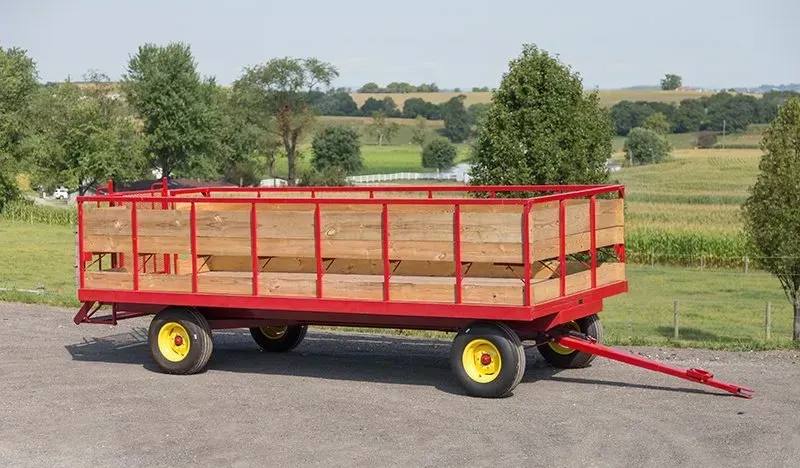
How to Plan Your Farm Tour Wagon for Seasonal Events
Introduction
Seasonal events in Gap, Pennsylvania bring opportunity — but they also bring pressure. Fall festivals, pumpkin patches, harvest tours, and school field trips all require organization. And if your farm tour includes wagon rides, proper planning makes the difference between a smooth experience and logistical frustration.
A farm tour wagon is more than transportation. It becomes part of the guest experience. In Lancaster County, where agritourism is competitive and well established, thoughtful wagon planning can directly influence safety, efficiency, and repeat visits.
This guide walks through how to plan your farm tour wagon specifically for seasonal events so it supports both operations and guest experience.
Start With Your Event Goals
Before thinking about wagon size or seating layout, clarify what your seasonal event is designed to accomplish.
Is the wagon ride:
A transportation method between attractions?
The main event itself?
A guided educational tour?
A storytelling harvest experience?
In Gap, Pennsylvania, many farms use wagon tours to showcase fields, livestock areas, and orchard sections. Others design themed rides around fall harvest or holiday experiences.
Defining the purpose of the ride shapes every planning decision that follows.
Determine Passenger Flow and Capacity
Capacity planning directly impacts both safety and revenue.
To structure this properly, walk through the following steps:
Estimate peak daily attendance during your seasonal event.
Decide how long each wagon ride will last.
Calculate how many trips can realistically run per hour.
Determine ideal passenger capacity per trip.
For example, if your event in Lancaster County expects 300 visitors per day and each ride lasts 15 minutes, you will need enough seating and trip frequency to prevent long wait times.
Overloading a wagon to increase throughput is not a solution. Capacity must match safety standards and structural limits.
Choose the Right Seating Configuration
Farm tour wagons for seasonal events often require a different layout than standard agricultural wagons.
Consider:
Side-facing bench seating for group interaction
Back-supported benches for comfort
Center aisle access for guided narration
Removable seating for off-season flexibility
If your farm in Gap, Pennsylvania hosts school field trips, seating comfort and accessibility may be more important than maximum capacity.
Plan for Terrain and Route Conditions
Not all farm routes are equal.
Evaluate your seasonal tour path for:
Gravel sections
Inclines or slopes
Mud-prone areas
Narrow turns
Route conditions affect axle rating, frame strength, and hitch design.
In Lancaster County’s fall season, wet fields can increase stress on wagon components. Planning your route early allows you to match the wagon build to actual terrain demands.
Integrate Safety Into the Design
Seasonal events often bring families and children, which increases safety responsibility.
Instead of viewing safety as an add-on, build it into the planning process.
Key safety considerations include:
Reinforced side rails
Controlled entry and exit steps
Non-slip flooring
Adequate rail height
Proper weight distribution
For farms in Gap, Pennsylvania open to the public, visible safety features also increase guest confidence.
Account for Seasonal Weather Conditions
Lancaster County weather during fall can shift quickly.
Cold mornings, damp afternoons, and occasional rain should influence planning decisions.
Short paragraph planning considerations include:
Moisture-resistant flooring reduces slip hazards.
Durable finishes prevent rust and corrosion.
Proper storage during off-season extends wagon lifespan.
Planning for seasonal weather reduces maintenance surprises.
Timing and Scheduling Strategy
Wagon planning is not just structural — it is operational.
To prevent bottlenecks during seasonal events, structure your ride schedule carefully:
Stagger departure times to avoid crowd congestion.
Assign loading assistants during peak hours.
Clearly mark boarding areas.
Create overflow waiting zones for busy periods.
In Gap, Pennsylvania where fall weekends attract large family crowds, operational planning is just as important as wagon design.
Branding and Guest Experience Enhancements
Seasonal events are experiential by nature. While durability and safety come first, presentation still matters.
For farms in Lancaster County, consider subtle enhancements such as:
Coordinated color finishes
Branded side panels
Themed decorations
Seasonal lighting accents
These features should support the event theme without compromising structural integrity.
Comparing Basic vs Event-Focused Wagon Planning
Understanding the difference between general farm use and event planning helps clarify feature priorities.
For seasonal farm tours in Gap, Pennsylvania, the event-focused approach typically delivers better guest satisfaction.
Frequently Asked Questions
How many passengers should a farm tour wagon carry?
Capacity depends on axle rating, frame strength, and safety layout. It should always align with structural design limits.
Do I need special lighting for fall events?
If operating near dusk or on public roads in Lancaster County, lighting systems are strongly recommended.
Should seating be permanent or removable?
Removable seating offers flexibility for off-season farm use while supporting seasonal events.
How do I reduce wait times during peak weekends?
Proper scheduling and adequate wagon capacity planning are key to minimizing crowd buildup.
Is route planning really necessary?
Yes. Uneven terrain around Gap, Pennsylvania directly affects safety and wagon wear.
Conclusion
Planning your farm tour wagon for seasonal events requires more than choosing a wagon size. It involves aligning capacity, safety, terrain considerations, and operational flow with your event goals.
For farms in Gap, Pennsylvania looking to create smooth, safe, and memorable seasonal experiences, thoughtful planning ensures your wagon becomes a dependable asset rather than a logistical challenge.
When it comes to designing durable wagons suited for real-world agritourism use in Lancaster County, Gap Hill Farm Wagons builds options that support both structural reliability and seasonal event demands.
