Should You Choose a Hayride Wagon or a Standard Hay Wagon
Introduction
If you operate a farm in Gap, Pennsylvania, choosing between a hayride wagon and a standard hay wagon is not just a design preference — it directly affects safety, functionality, and long-term return on investment.
At first glance, the two may appear similar. Both are towable platforms with side structures. But in practice, they serve very different purposes. Understanding those differences helps farms in Lancaster County choose the right equipment for their operation.
This guide compares hayride wagons and standard hay wagons based on structure, intended use, safety requirements, and long-term value.
What Is a Standard Hay Wagon?
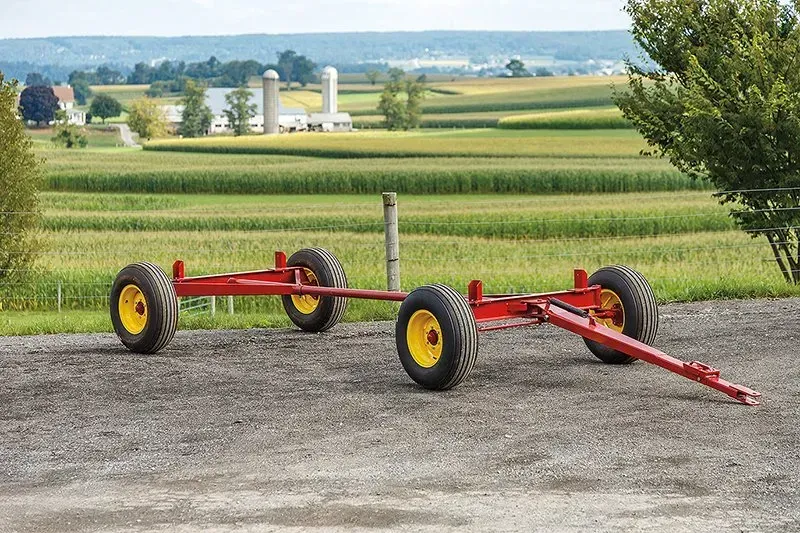
A standard hay wagon is primarily designed for agricultural work.
Its purpose is straightforward: transport hay bales, feed, equipment, or supplies across farmland. The design focuses on load capacity and practicality rather than passenger comfort.
Standard hay wagons typically feature:
Flat open deck
Minimal or no seating
Basic side rails (if any)
Utility-focused construction
For working farms in Gap, Pennsylvania moving crops or materials daily, this type of wagon is efficient and cost-effective.
What Is a Hayride Wagon?
A hayride wagon is built specifically to carry people safely.
Unlike standard wagons, hayride wagons are engineered with passenger containment and stability in mind. They are commonly used for:
Fall festivals
Pumpkin patch rides
School field trips
Farm tours
Seasonal agritourism events
In Lancaster County, especially during autumn, hayride wagons become central attractions for family-oriented farm experiences.
Key features often include:
Bench seating along the sides
Reinforced safety railings
Controlled entry and exit points
Non-slip flooring
Optional lighting systems
These features distinguish them structurally and functionally from standard hay wagons.
Structural Differences That Matter
When comparing both wagon types, structural design is one of the most important factors.
For farms in Gap, Pennsylvania planning to host public rides, the structural differences are significant.
A standard wagon is not engineered for passenger safety in the same way a hayride wagon is.
Cost Differences and Budget Considerations
Price often influences the decision.
Standard hay wagons generally cost less because they require fewer structural enhancements and safety features. They are designed for function rather than guest experience.
Hayride wagons cost more due to:
Seating fabrication
Rail reinforcement
Entry system construction
Passenger-focused safety design
However, if your farm in Lancaster County generates revenue through public events, the additional investment in a hayride wagon often supports long-term income potential.
Usage-Based Decision Guide
Choosing the right wagon depends largely on how you plan to use it.
Follow this simple decision framework:
Step 1: Identify Primary Purpose
Will the wagon be used to move hay and equipment, or will it transport paying guests?
Step 2: Evaluate Liability Exposure
Public passenger rides introduce liability considerations that standard wagons are not designed to handle.
Step 3: Consider Terrain and Frequency
If rides occur frequently on uneven ground in Gap, Pennsylvania, reinforced passenger containment becomes more important.
Step 4: Think Long-Term
If agritourism is part of your growth strategy, investing in a hayride wagon supports that direction.
When a Standard Hay Wagon Makes Sense
A standard wagon may be appropriate when:
The wagon is strictly for agricultural transport
No public passenger rides are planned
Budget constraints limit upgrades
Safety rail containment is unnecessary
For traditional farming operations in Gap focused solely on crop management, the standard model remains practical.
When a Hayride Wagon Is the Better Choice
A hayride wagon becomes the smarter choice when:
The farm hosts seasonal events
School groups or families visit regularly
Passenger comfort and safety are priorities
Revenue is generated through rides
In Lancaster County, many farms have expanded into agritourism, making hayride wagons a long-term business asset rather than just equipment.
Frequently Asked Questions
Can a standard hay wagon be converted into a hayride wagon?
Conversion is possible, but it often requires structural reinforcement, added seating, and safety modifications that can be costly.
Are hayride wagons required for public rides?
While regulations vary, wagons designed specifically for passenger safety are strongly recommended for public events in Gap, Pennsylvania.
Is there a major weight difference between the two?
Hayride wagons typically weigh more due to added steel reinforcement and seating structures.
Which type lasts longer?
Durability depends on build quality and usage, but hayride wagons are engineered to handle passenger loads safely over time.
Is a hayride wagon worth the higher cost?
For farms generating revenue through rides, the investment often pays off through guest safety, experience quality, and long-term use.
Conclusion
The decision between a hayride wagon and a standard hay wagon depends on how your farm in Gap, Pennsylvania operates.
If your focus is strictly agricultural transport, a standard hay wagon may be sufficient. If your farm welcomes guests and relies on seasonal events, a hayride wagon provides the structural safety, comfort, and reliability necessary for public use.
For farms in Lancaster County seeking purpose-built wagons tailored to their specific needs, Gap Hill Farm Wagons offers options designed to balance durability, safety, and long-term functionality without unnecessary complexity.
