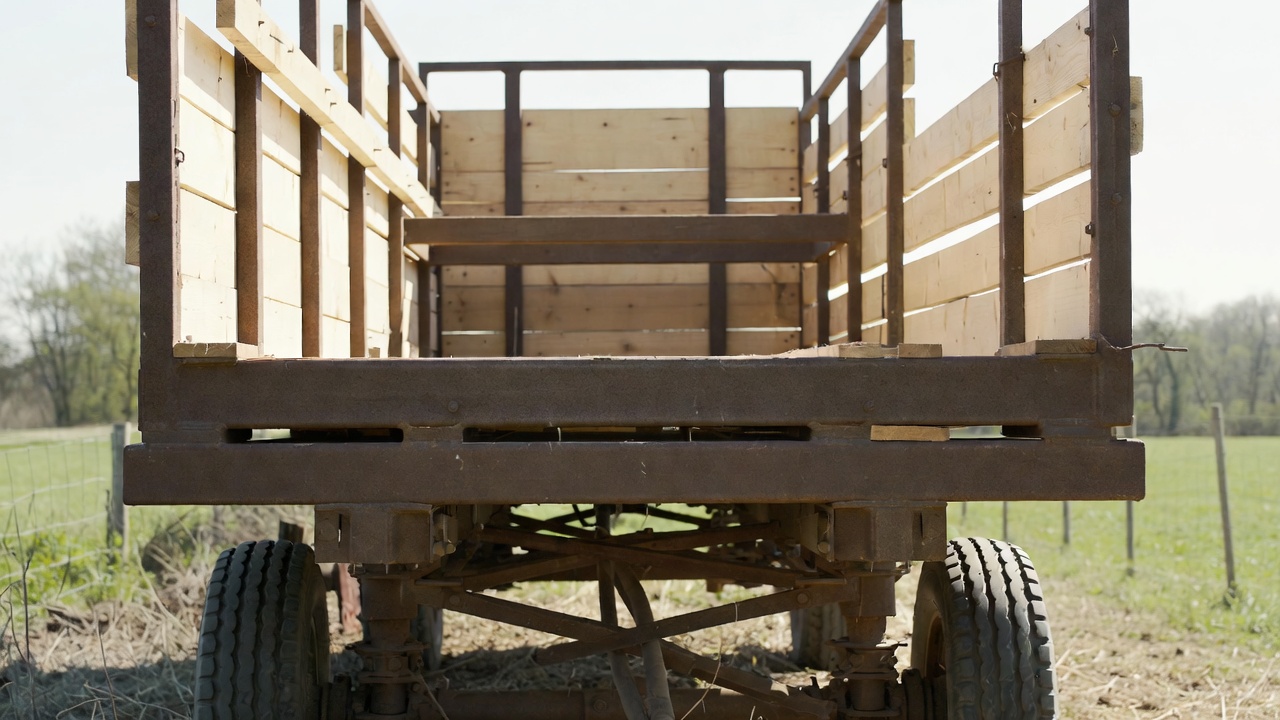
What Affects the Price of a Heavy-Duty Hay Wagon Build
Introduction
When farms in Gap, Pennsylvania start planning for a heavy-duty hay wagon, one of the first questions is not just how much it costs — but why the price varies so much from one build to another.
Two wagons may look similar from a distance, yet one costs thousands more. The difference usually comes down to engineering strength, long-term durability, safety upgrades, and how the wagon will actually be used in the real world.
If your farm, orchard, or agritourism venue in Lancaster County depends on dependable equipment, understanding what drives pricing helps you invest wisely instead of guessing at numbers.
The Foundation: Frame Engineering and Steel Thickness
The single biggest factor influencing the price of a heavy-duty hay wagon build is the frame.
Heavy-duty does not simply mean larger. It refers to structural reinforcement designed to handle repeated loads, uneven terrain, and long-term commercial use.
Stronger builds often include thicker steel channeling, reinforced cross members, upgraded welds, and higher load-rated axles. These components increase material costs and fabrication time.
For farms around Gap, Pennsylvania with rolling ground or gravel access lanes, upgraded steel framing is often essential rather than optional. A lighter frame may cost less initially but can lead to bending, warping, or structural fatigue over time.
Axles, Suspension, and Load Capacity
Once frame strength is determined, the next pricing variable is axle configuration.
Heavy-duty wagons are typically built with higher-rated axles designed to support greater passenger or cargo weight. The difference in price between standard and commercial-grade axles can be significant.
When evaluating load capacity, consider:
Maximum passenger count
Distribution of weight across the deck
Terrain stress during towing
Frequency of use
Higher load ratings require upgraded hubs, bearings, and suspension components, all of which raise total build cost.
For agritourism operations in Gap that run continuous rides during peak season, these upgrades are often justified by durability alone.
Decking Materials and Flooring Options
Material selection has both cost and lifespan implications.
Heavy-duty wagons may use:
Pressure-treated lumber
Hardwood planking
Steel deck inserts
Composite or sealed surfaces
Each option varies in moisture resistance, maintenance requirements, and weight.
In Lancaster County, where fall conditions often bring mud and moisture, choosing flooring that resists rot and wear becomes especially important. Lower-cost materials may require replacement sooner, which affects long-term value.
Safety Features That Increase Build Cost
Safety enhancements can significantly influence pricing. For operations open to the public in Gap, Pennsylvania, these upgrades are often a priority.
Structural Rail Systems
Reinforced side rails, extended rail height, and enclosed panels add steel and fabrication time.
Entry and Exit Systems
Commercial-grade steps, anti-slip surfaces, and reinforced access points require additional materials and design work.
Lighting and Visibility
For evening events or roadside travel, DOT lighting systems and reflective striping increase both safety and cost.
Flooring Traction
Non-slip coatings or textured surfaces reduce accident risk but require additional finishing work.
Each safety enhancement increases upfront cost, but also strengthens long-term reliability and risk management.
Customization and Fabrication Complexity
Not all heavy-duty hay wagons are built the same. Customization directly impacts labor hours and material use.
Common customization factors include:
Passenger capacity adjustments
Center aisle layouts
Removable bench systems
Storage compartments
Branded paneling
The more complex the design, the more fabrication time is required. Skilled welding and precision fitting contribute to higher labor costs.
For farms in Gap looking to create a distinct visual experience for guests, customization often adds value beyond basic transport function.
Usage Frequency and Commercial Demands
Pricing is heavily influenced by how often the wagon will operate.
To determine appropriate build strength, consider this simple evaluation:
Will the wagon operate seasonally or year-round?
How many trips per day are expected during peak season?
Will the wagon carry mostly adults, children, or mixed groups?
Is the terrain smooth or uneven?
High-frequency, commercial agritourism use typically requires reinforced builds. Occasional farm-use wagons may not need the same level of structural investment.
Comparing Moderate vs High-Intensity Builds
Understanding how usage level affects pricing can clarify expectations.
Farms in Gap, Pennsylvania running large seasonal festivals often benefit from the high-intensity category, while smaller operations may not require it.
Long-Term Maintenance and Lifecycle Costs
A heavy-duty wagon should be viewed as a long-term asset rather than a short-term expense.
Lower upfront builds may experience:
Board warping
Rail loosening
Axle stress
Structural fatigue
Higher-quality fabrication and reinforced steel typically extend lifespan significantly.
When a wagon is expected to serve 10–15 years, the annualized cost often favors investing in durability.
Frequently Asked Questions
Why does steel thickness affect wagon pricing so much?
Thicker steel increases material cost and fabrication labor. However, it greatly improves structural integrity and load tolerance.
Is it worth upgrading axles for uneven terrain?
Yes. Farms in Gap, Pennsylvania with gravel or rolling terrain benefit from stronger axles that reduce long-term wear and stress.
Do custom layouts significantly increase cost?
Custom layouts increase labor hours and materials. The final price depends on design complexity and structural adjustments required.
Are heavy-duty wagons necessary for seasonal farms?
Not always. The necessity depends on passenger volume, frequency of use, and terrain conditions.
How long should a properly built heavy-duty wagon last?
With proper storage and maintenance, a heavy-duty hay wagon can last well over a decade.
Conclusion
The price of a heavy-duty hay wagon build depends on structural engineering, axle capacity, material quality, safety upgrades, customization, and usage demands.
For farms and agritourism operations in Gap, Pennsylvania, understanding these cost drivers helps prevent underbuilding or overspending. Investing in the right level of strength and durability ensures your wagon performs reliably through years of seasonal use.
For those seeking durable, purpose-built wagons designed for real agricultural conditions in Lancaster County, Gap Hill Farm Wagons continues to provide heavy-duty hay wagon builds tailored to local needs without unnecessary complexity.
